How Often Roof Inspection Should Be Scheduled for Residential Homes
Homeowners seeking how often roof inspection should be scheduled for residential homes can rely on local contractors to provide expert assessments and maintenance recommendations.
If you’re a homeowner wondering about the right timing for roof inspections, you’ve come to the right place. Understanding how often roof inspection should be scheduled for residential homes is a practical step toward maintaining a safe and durable roof. Local contractors often recommend regular inspections to catch potential issues early, especially for homes in areas prone to weather extremes or with older roofing materials. Staying proactive with these inspections can help prevent costly repairs down the line, making it a smart choice for property owners looking to protect their investment.
Exploring this topic is especially relevant for those who want to ensure their homes remain secure and in top condition over time. Whether your home has experienced recent storms or you simply want peace of mind, knowing how frequently to schedule roof inspections can guide maintenance decisions. Service providers in the area are equipped to handle these inspections, offering thorough assessments that can identify trouble spots before they develop into bigger problems. Keep reading to learn more about recommended inspection schedules and how local experts can assist in keeping your roof in excellent shape.
- Roof Inspection - homeowners should consider scheduling a roof inspection after severe weather events to assess potential damage, with local contractors providing thorough evaluations.
- Roof Inspection - properties with aging roofs may need more frequent inspections to identify early signs of wear, with local pros offering expert assessments.
- Roof Inspection - during routine maintenance, local service providers can help determine if additional inspections are necessary based on roof condition and history.
- Roof Inspection - new homeowners are advised to have an initial inspection and periodic follow-ups to ensure roof integrity over time, handled by experienced local contractors.
- Roof Inspection - homes in areas with fluctuating weather patterns might benefit from regular inspections, with local pros tailoring schedules to specific environmental risks.
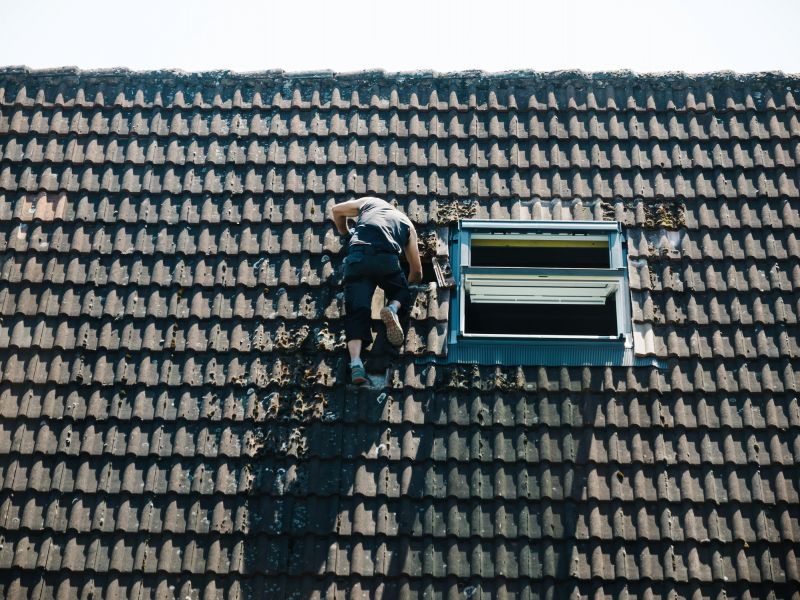

When homeowners search for information about how often roof inspection should be scheduled for residential homes, they are often trying to determine the best maintenance practices to protect their investment. This topic typically relates to the ongoing care and early detection of potential issues, such as damaged shingles, leaks, or structural problems that could develop over time. People may also be planning for specific projects like preparing for a sale, addressing storm damage, or simply ensuring their roof remains in good condition. Understanding the recommended inspection frequency helps homeowners decide when to bring in local contractors who specialize in roof assessments, ensuring their homes stay protected and well-maintained.
The need for regular roof inspections is connected to a variety of problems and planning considerations. For example, after severe weather events, homeowners often seek inspections to identify damage that isn't immediately visible from the ground. Routine inspections are also valuable for catching early signs of wear and tear, such as cracked or missing shingles, moss growth, or issues with flashing and gutters. These inspections can be part of a proactive maintenance plan or a requirement before undertaking renovations or additions. Local service providers can evaluate the condition of a roof and recommend the appropriate inspection schedule based on the home’s age, material type, and local climate conditions.
Different types of residential properties typically come up when discussing how often roof inspections should be scheduled. Single-family homes are the most common, but townhouses, duplexes, and multi-unit buildings also require regular assessments. The age and construction style of the property influence the recommended inspection frequency. For newer homes, inspections might be less frequent unless specific issues arise, whereas older homes often benefit from more regular evaluations to prevent minor problems from escalating. Local contractors are experienced in working with various property types and can provide tailored advice on inspection schedules that align with the specific needs of each home.
Ultimately, the frequency of roof inspections for residential homes depends on several factors, including the age of the roof, local weather patterns, and the homeowner’s maintenance goals. Many experts suggest scheduling inspections at least once a year, with additional checks after major storms or seasonal changes. Regular inspections help identify potential issues early, saving money and preventing more extensive damage. Connecting with local service providers ensures that homeowners receive professional assessments tailored to their property’s unique conditions. These professionals can help determine the most appropriate inspection schedule, providing peace of mind and helping maintain the longevity of the roof.
Roof maintenance projects - these involve regular inspections and repairs that require planning and use of specialized tools similar to those used in roof inspections for residential homes.
Gutter installation and repair - proper gutter systems are essential for roof health, and professionals in this area often perform inspections to ensure water runoff does not damage roofing materials.
Chimney and vent inspection services - inspecting chimneys and vents involves similar planning and safety considerations as roof inspections to prevent leaks and structural issues.
Roof leak detection services - these projects focus on identifying hidden leaks, requiring detailed inspection skills comparable to those used in routine roof assessments.
Storm damage assessment projects - after severe weather, local contractors evaluate roof integrity, which aligns with the inspection practices for determining how often inspections should be scheduled.
Attic and insulation inspection - assessing attic spaces and insulation often involves climbing and inspecting the roof’s interior, sharing tools and planning with roof inspection services.
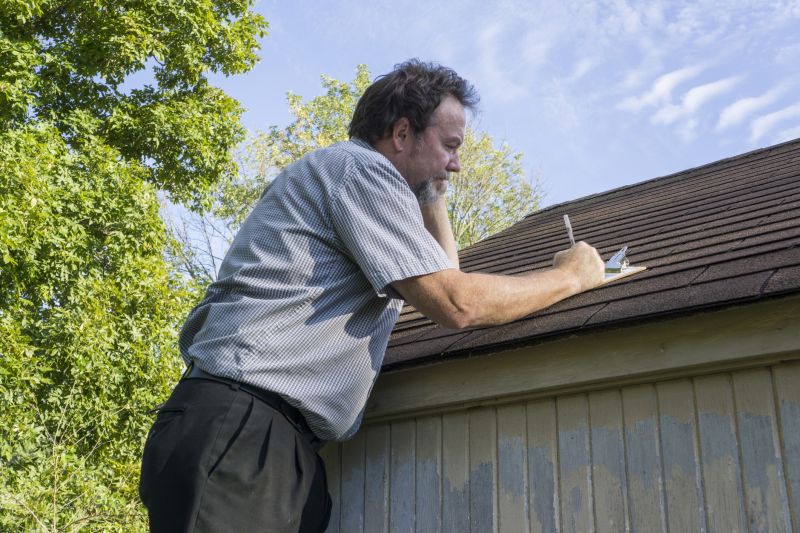
When evaluating different service providers for roof inspections, it is important to consider their experience with similar residential projects. A contractor with a history of inspecting homes comparable in size, style, and age can provide insights into how often roof inspections should be scheduled for residential homes in the neighborhood. Experienced local contractors are more likely to recognize common issues and recommend appropriate inspection intervals based on the specific conditions of the area and the property's roofing system. This familiarity can help ensure that inspections are thorough and tailored to the home's unique needs, reducing the risk of overlooked problems that could lead to costly repairs later on.
Clear, written expectations are a key factor when comparing roof inspection services. Service providers who outline their scope of work, what the inspection will cover, and how often it should be scheduled help homeowners understand what to expect and make informed decisions. Having detailed documentation also facilitates better communication and ensures that both parties are aligned on the purpose and frequency of inspections. This transparency can help prevent misunderstandings and provide a basis for ongoing maintenance planning, especially when considering how often roof inspections should be scheduled for residential homes based on specific factors like age, weather exposure, and previous issues.
Reputable references and strong communication are essential qualities to look for in local contractors. Service providers with positive feedback from past clients demonstrate a track record of reliable, quality work. Good communication ensures that homeowners can easily ask questions, receive updates, and understand recommendations regarding inspection frequency. When comparing options, it is beneficial to seek out contractors who are known for responsiveness and clarity. This level of professionalism can make the process of determining how often roof inspections should be scheduled for residential homes more straightforward and less stressful, providing confidence that the chosen provider will support ongoing roof health and maintenance needs effectively.
Property owners often search for how often roof inspection should be scheduled for residential homes when they are planning practical projects around their homes and businesses. Local pros provide Roof Inspection services for everyday jobs and straightforward project options.
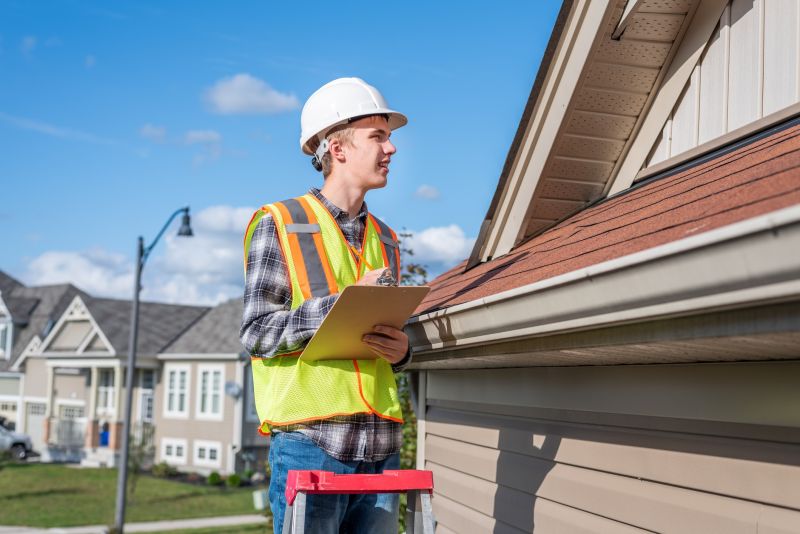
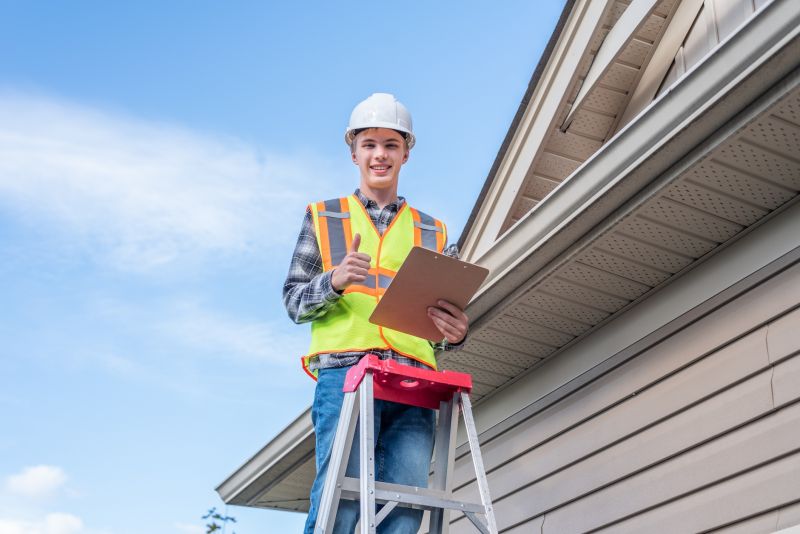
Regular roof inspections are an important part of maintaining the integrity of residential homes. For many property owners, understanding how often roof inspection should be scheduled for residential homes helps prevent costly repairs and extends the lifespan of the roof. In general, scheduling inspections every couple of years is recommended, especially after severe weather events or noticeable signs of wear. Local contractors can provide expert assessments to identify early issues such as leaks, damaged shingles, or structural concerns, offering peace of mind and helping homeowners stay ahead of potential problems.
Homeowners in the area might look into roof inspection services from local service providers to ensure their homes remain protected. Factors like the age of the roof, recent storms, or visible damage can influence how often inspections are needed. Engaging with experienced local contractors allows property owners to receive tailored advice based on specific conditions and the local climate. By scheduling regular inspections, residents can catch minor issues before they develop into major repairs, ultimately preserving the value and safety of their homes.
How often should a residential roof be inspected? Typically, residential roofs should be inspected at least once a year by local contractors to identify potential issues early and maintain their condition.
Are there specific times when roof inspections are more important? Yes, scheduling inspections after severe weather events or during seasonal changes can help detect damage caused by storms, wind, or snow, with local service providers able to perform these assessments.
Should I have my roof inspected more frequently if I live in a certain area? Homes in regions prone to harsh weather or with older roofs may benefit from more frequent inspections, with local pros advising on the best schedule based on local conditions.
How often do new homeowners need to have their roofs inspected? It's recommended that new homeowners have a roof inspection shortly after moving in, and then follow a regular annual schedule with local contractors to ensure ongoing roof health.
Can regular roof inspections extend the lifespan of a residential roof? Yes, scheduling routine inspections with local service providers can help identify minor issues before they become major problems, potentially extending the roof's lifespan.
Regular Inspection Schedule - Homeowners can plan to have roof inspections performed every one to two years to catch potential issues early and maintain the roof’s integrity with help from local contractors.
Post-Storm Checks - Scheduling an inspection after severe weather events ensures that damage is identified promptly, preventing small problems from becoming costly repairs.
Age-Based Inspections - For older roofs, it’s practical to arrange more frequent inspections, such as annually, to monitor wear and address any deterioration with assistance from local service providers.
Seasonal Planning - Incorporating roof inspections into seasonal home maintenance routines helps property owners stay proactive about roof health with support from local roofing specialists.
If you are thinking about how often roof inspection should be scheduled for residential homes for a property, this guide is meant to help you understand this topic, the typical project types, and how different options might fit your plans.
When you are ready, you can use the quote form on this page to share a few details about your project. From there, local pros can review the basics and follow up with options that match what you have in mind.