How Roof Certification Protects Lenders and Insurance Companies
Roof certification helps protect lenders and insurance companies by verifying roof safety and condition, with local contractors available to provide trusted assessments.
Understanding how roof certification protects lenders and insurance companies is essential for property owners navigating the complexities of real estate transactions and coverage. A roof certification provides a clear assessment of a roof’s condition, helping lenders and insurers make informed decisions about property value and risk. For property owners in the area, ensuring that a roof meets certification standards can streamline loan approvals and insurance claims, reducing potential delays or complications down the line. Local contractors who specialize in roof evaluations can deliver thorough assessments, giving peace of mind that the property’s roof aligns with the expectations of financial and insurance entities.
Exploring this topic is particularly relevant for property owners planning to buy, sell, or insure a building in the local community. When a roof is properly evaluated and certified, it becomes a valuable document that supports financial transactions and coverage decisions. Local service providers who offer roof certification services are equipped to perform these assessments accurately, helping property owners meet the standards set by lenders and insurance companies. Keep reading to discover how these evaluations can protect investments and facilitate smoother property transactions.
- Roof certification services are often needed when lenders require proof of roof condition before approving a mortgage or refinance, and local contractors can provide thorough inspections to meet these requirements. Insurance companies may request roof certifications to assess potential coverage risks, with service providers offering detailed evaluations to support this process. Property owners planning to sell or transfer ownership might seek roof certifications to ensure compliance with lender or insurer standards, with local pros conducting comprehensive assessments. During property inspections, roof certification services help identify issues that could impact financing or coverage, with experienced local contractors delivering reliable evaluations. In cases of roof damage or aging, roof certification can serve as documentation for insurance claims, with service providers offering expert inspections to document the roof's condition.
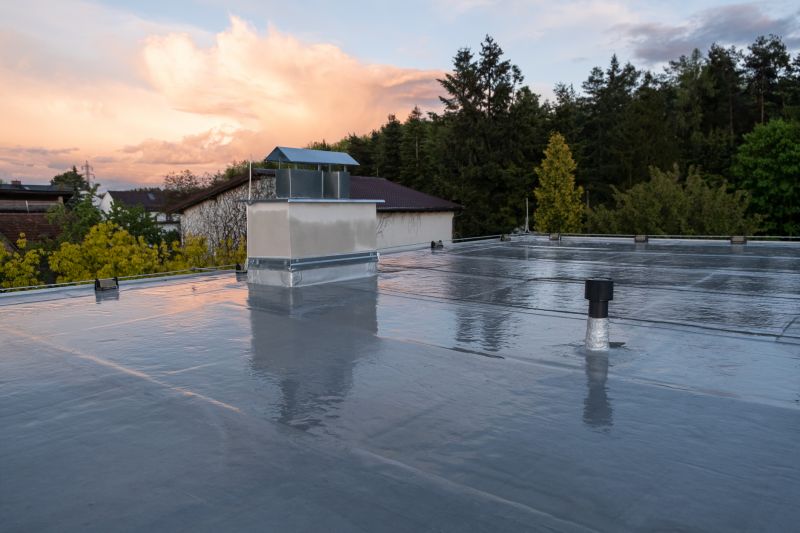
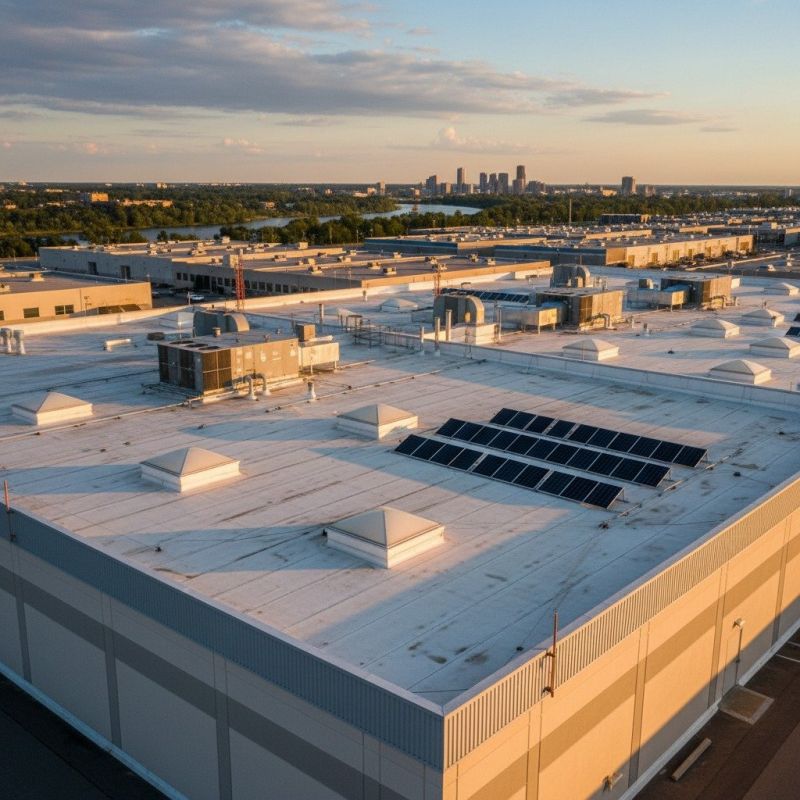
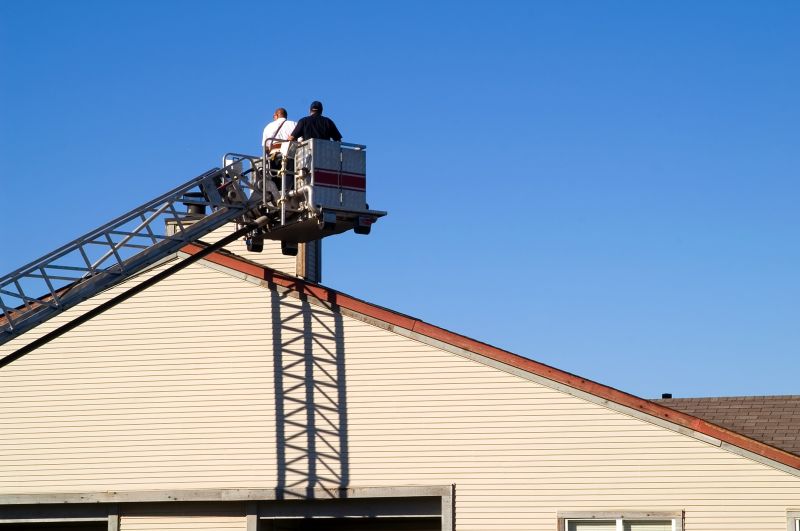
When people search for how roof certification protects lenders and insurance companies, they are often trying to understand the role that a roof inspection and certification play in financial and insurance processes. Typically, this involves verifying the condition of a roof on a property-whether for a new loan, refinancing, or insurance claim-to ensure that the roof meets certain standards of safety and durability. Homeowners, real estate agents, and property investors may seek this information to better grasp how a roof's condition influences loan approval or insurance coverage. The focus is on how a professional roof assessment can serve as a safeguard against future liabilities, helping lenders and insurers make informed decisions based on the roof’s verified state.
Roof certification relates closely to problems such as aging roofs, storm damage, or ongoing wear that can compromise a property's value or insurability. When a roof shows signs of deterioration or damage, it can lead to delays or denials in loan approvals or insurance claims. For lenders, a roof certification provides reassurance that the property has a structurally sound roof, reducing the risk of future repairs that could impact the property's value. Insurance companies rely on certifications to confirm that the roof is in good condition, minimizing the likelihood of future claims stemming from undisclosed damage or neglect. For property owners planning repairs or upgrades, understanding how roof certification fits into these plans can help streamline financing and insurance processes.
The types of properties that typically come up in discussions about roof certification include residential homes, multi-family buildings, and commercial properties. In residential settings, a roof certification can be part of the buying or selling process, especially for older homes or those with a history of storm exposure. Commercial properties, such as office buildings or retail centers, often require detailed roof assessments before securing financing or insurance policies. Multi-family residences like apartment complexes also frequently need roof certifications to satisfy lenders and insurers, as the condition of the roof directly impacts the property's overall value and insurability. Local service providers who specialize in roof assessments understand the unique needs of these property types and can help ensure the roof meets the necessary standards.
Connecting with experienced roof inspection professionals is a practical step for property owners and investors who want to protect their financial interests. These service providers conduct thorough evaluations to identify potential issues, verify the roof’s condition, and provide the necessary documentation for certification. Their expertise ensures that the certification process aligns with lender and insurance requirements, helping to prevent delays or complications. By working with local pros, property owners can gain peace of mind that their roofs are properly assessed, and their properties are positioned favorably in financial and insurance contexts. This proactive approach supports smoother transactions and better protection against unexpected costs down the line.
Building Inspection Projects - professionals conducting comprehensive building inspections often evaluate roof conditions to assess structural integrity, which supports lenders and insurance companies in risk evaluation.
Property Appraisal Services - appraisers frequently review roof conditions during property assessments, providing critical information that influences mortgage approvals and insurance coverage decisions.
Storm Damage Assessment Projects - local contractors specializing in storm damage evaluations inspect roofs to determine repair needs, helping lenders and insurers verify damage claims and coverage validity.
Roof Repair and Replacement Projects - providers performing roof repairs or replacements ensure that roofs meet safety standards, which can influence insurance claims and lending requirements.
Pre-Purchase Property Inspections - inspectors evaluating roofs before property transactions help lenders and insurers understand potential risks related to roof condition and lifespan.
Hazard and Risk Assessment Projects - specialists assessing potential hazards like leaks or structural weaknesses contribute to the safety evaluations used by lenders and insurance companies to manage risk.

When evaluating service providers for roof certification, it is important to consider their experience with similar projects. A contractor with a proven track record in completing roof assessments that meet the standards required by lenders and insurance companies can provide greater confidence in the quality and reliability of their work. Homeowners should look for local contractors who have a history of working on properties with comparable roof types and conditions, as this experience can help ensure accurate evaluations that align with industry expectations and requirements.
Clear written expectations are essential when comparing local pros for roof certification services. A reputable contractor will be able to provide detailed documentation of their scope of work, including what aspects of the roof will be inspected and how the certification process will be conducted. Having transparent communication about the process helps homeowners understand what to expect and ensures that all parties are aligned on the standards needed to support lender and insurance company requirements. This clarity can prevent misunderstandings and streamline the certification process.
Reputable references and effective communication are key factors in selecting a reliable service provider. Local contractors with positive references from previous clients who needed similar roof assessments demonstrate a history of dependable service. Additionally, good communication-such as responsiveness to inquiries and clarity in explaining findings-helps homeowners feel confident in the professional’s ability to deliver accurate certifications. Choosing a provider known for transparent, timely interactions can contribute to a smoother process and increase trust in the certification outcome, ultimately supporting the homeowner’s interests in securing financing and insurance coverage.
Property owners often search for how roof certification protects lenders and insurance companies when they are planning practical projects around their homes and businesses. Local pros provide Roof Certification services for everyday jobs and straightforward project options.
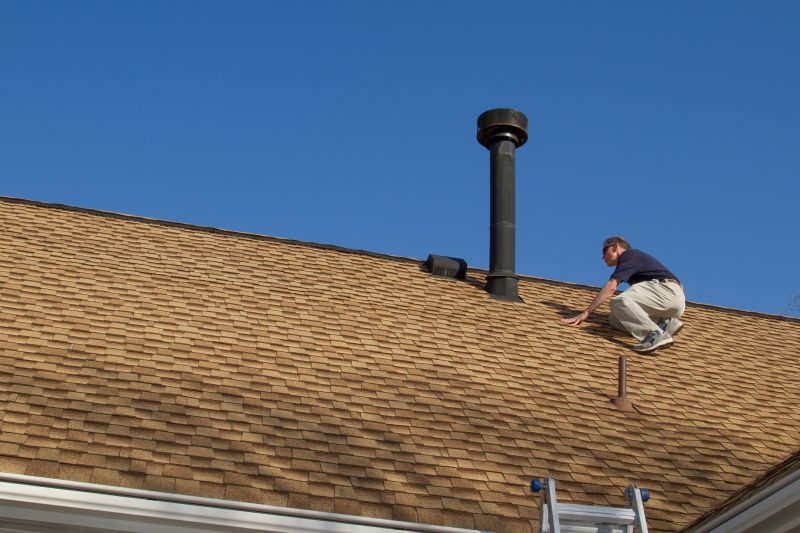
Roof certification plays a key role in safeguarding lenders and insurance companies during property transactions and claims processes. When a property owner needs to secure financing or insurance coverage, having a recent roof certification can provide reassurance that the roof is in sound condition, reducing the risk of future issues. Local contractors who specialize in roof assessments can evaluate the roof’s integrity, helping property owners present credible documentation that meets lender and insurer requirements, and potentially streamlining approval processes.
For property owners in the area, understanding how roof certification protects lenders and insurance companies highlights the importance of working with experienced service providers. These professionals can identify any potential problems early, ensuring the roof meets necessary standards for financial and insurance purposes. By obtaining a thorough roof evaluation, property owners can help protect their investments and facilitate smoother transactions, making it easier for lenders and insurers to assess risk accurately.
How does roof certification benefit lenders? Roof certification provides lenders with verified information about a property's roof condition, reducing the risk of unexpected repair costs and potential loan default caused by roof issues.
In what way do insurance companies use roof certification? Insurance companies rely on roof certification to assess the risk associated with insuring a property, helping them determine coverage eligibility and prevent claims related to roof damage or failure.
Can roof certification help prevent future disputes? Yes, having a professional roof certification creates a documented record of the roof’s condition at a specific point, which can be useful in resolving disputes over property value or roof damage claims.
Why should lenders and insurance companies trust roof certifications from local contractors? Local contractors have in-depth knowledge of regional roofing conditions and standards, ensuring that roof certifications are accurate and relevant to the specific area’s requirements.
How do roof certifications assist in property transactions? Roof certification helps lenders and insurance companies verify the roof’s condition, providing assurance that the property meets safety and risk standards during buying or refinancing processes.
Property Evaluation for Lenders - Local contractors can perform roof certifications to verify the condition of a roof before approving a mortgage, helping lenders assess risk accurately.
Insurance Claim Support - Insurance companies can rely on roof certification reports to confirm roof integrity during claims processing, reducing fraud and ensuring proper coverage.
Risk Management for Property Owners - Homeowners can obtain roof certifications to demonstrate the roof’s condition, potentially preventing claim disputes and supporting insurance coverage.
Property Transaction Assurance - During real estate transactions, roof certification from service providers helps all parties confirm roof quality, avoiding future liability issues for lenders and insurers.
If you are thinking about how roof certification protects lenders and insurance companies for a property, this guide is meant to help you understand this topic, the typical project types, and how different options might fit your plans.
When you are ready, you can use the quote form on this page to share a few details about your project. From there, local pros can review the basics and follow up with options that match what you have in mind.